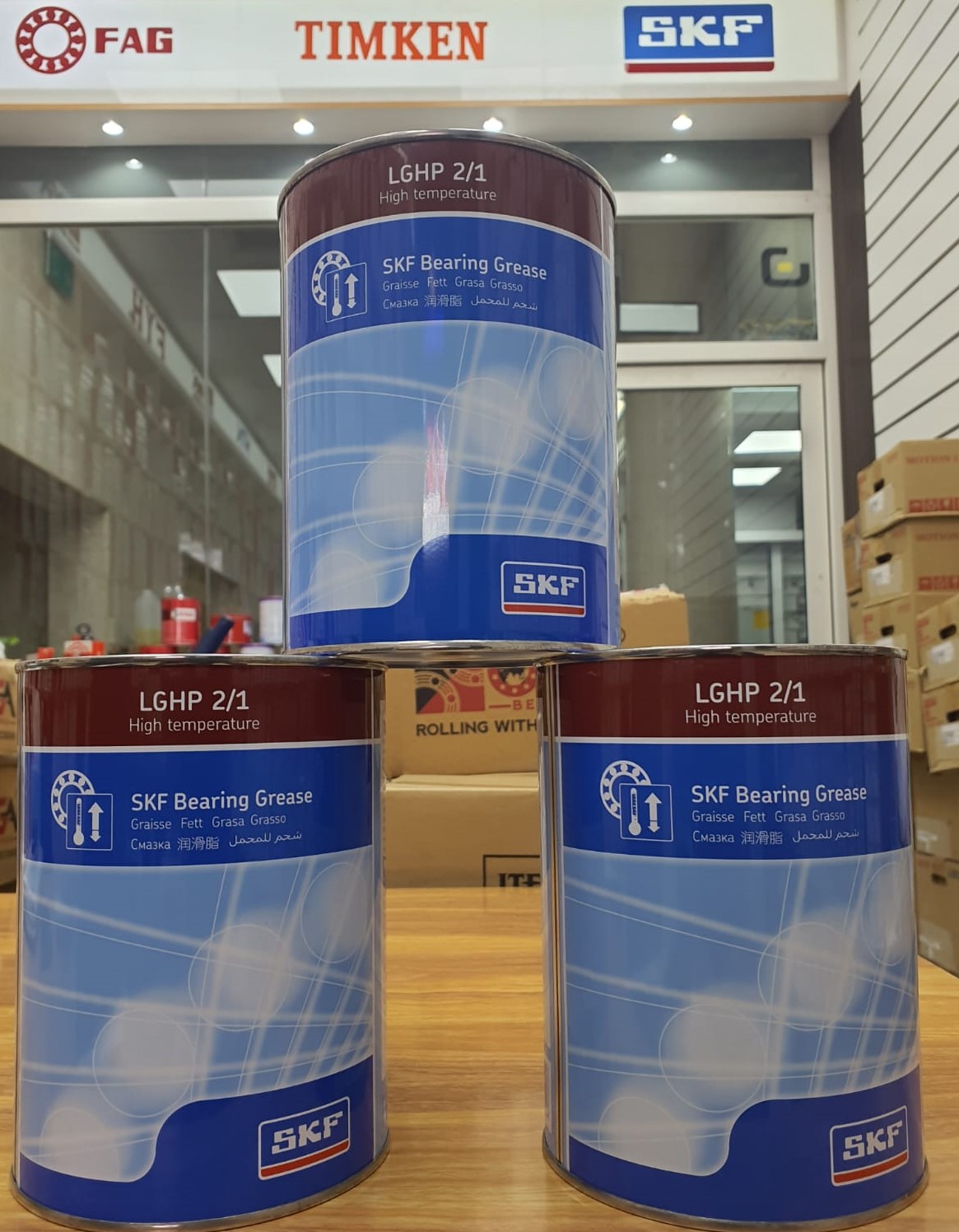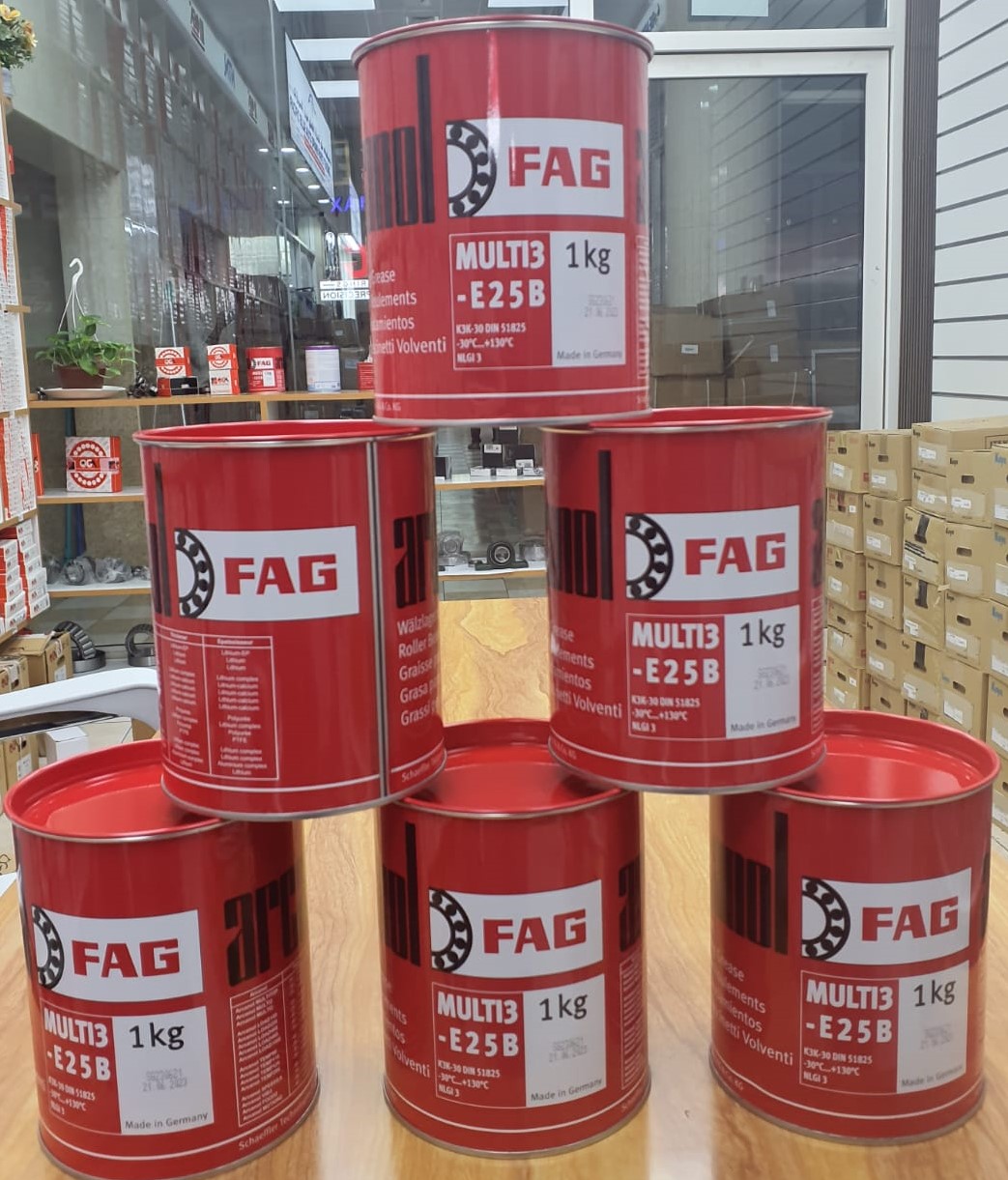
Industrial Bearing Grease
Grease is a versatile lubricant that plays a crucial role in minimizing friction and wear in various mechanical systems. It consists of a semi-solid to solid mixture of base oil and a thickening agent, often enhanced with additives to provide specific performance characteristics. This guide will delve into the details of grease, exploring its properties, different types, and a range of applications across industries.
Table of Contents:
Properties of Grease:
Composition and Structure:
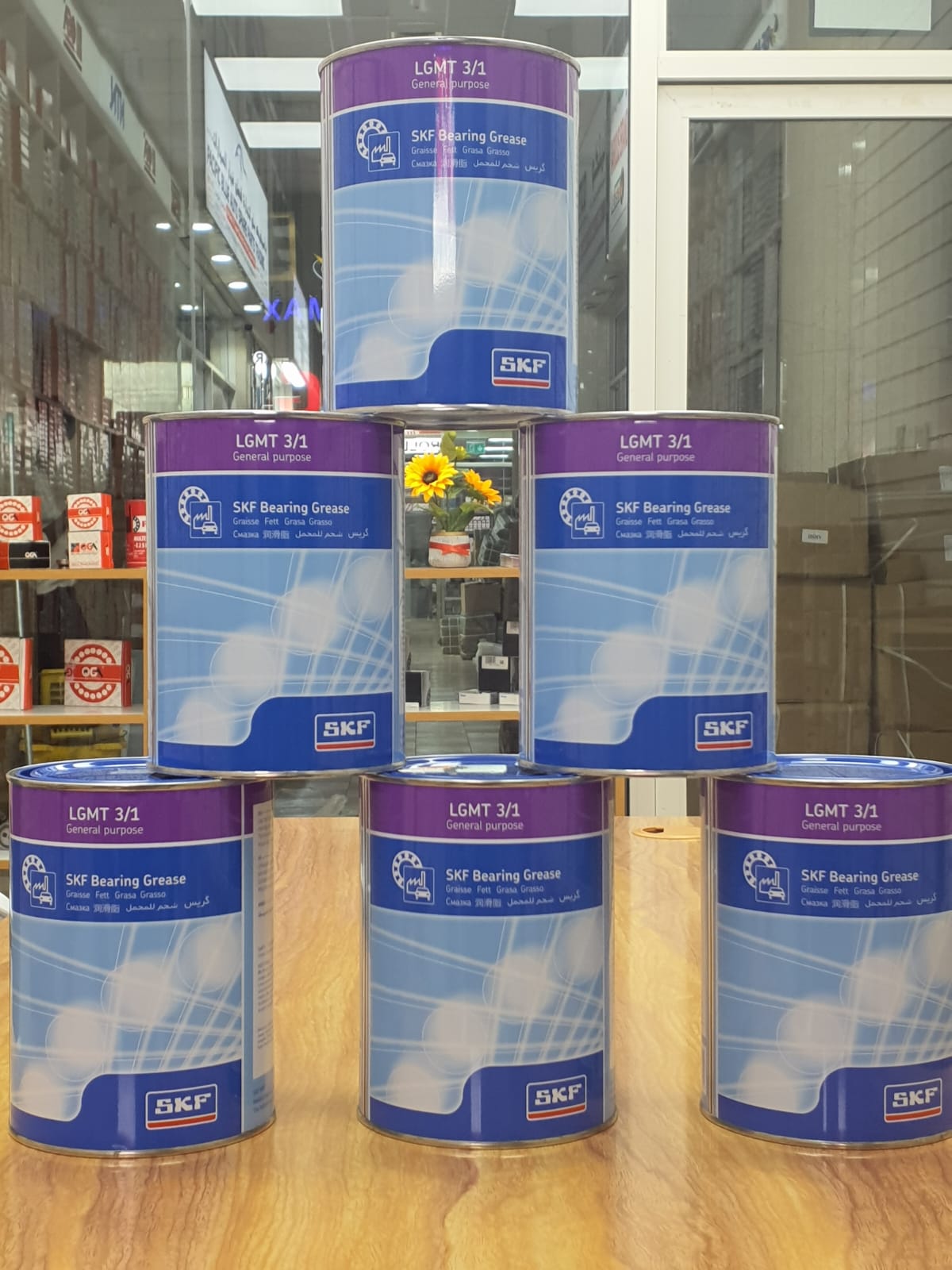
TYPES OF GREASE:
Lithium Grease
Lithium grease is multipurpose grease known for its durability, high viscosity, and stability. It is designed to provide long-lasting protection against oxidation, corrosion, extreme temperatures, and wear and tear. Lithium and lithium complex greases are also characterized by their excellent lubrication, good water resistance, and the ability to withstand high pressure and shock loads. They are suitable for a variety of applications, including automotive, gardening, industrial, household, and demanding metal-to-metal applications.
Calcium Grease
Calcium grease is one of the first greases that were manufactured for general use. Some of the key features of this multipurpose grease are great water resistance, good corrosion protection, and great mechanical stability. However, this lubricant is best used at lower temperatures, as high temperatures may cause changes in its structure. Today, calcium grease and calcium complex grease are mainly used in marine, industrial, automotive, and agricultural applications.
Polyurea Grease
Polyurea grease has become very popular due to its amazing characteristics, such as outstanding water resistance, great oxidation stability, rust and corrosion prevention, durability, versatility, good mechanical stability, as well as high-temperature performance. Due to these features, polyurea grease is recommended for long-life applications and used across various industries. It is considered vital for the proper lubrication of steel plants and electric motors
Aluminum Complex Grease
Aluminium complex grease has many advantages - it can withstand extremely high temperatures, has impressive water-resisting properties, prevents rust, corrosion, and oxidation, and has good shear stability. Aluminium complex greases are best used in the food industry, but are also known to offer excellent results when used in the automotive, steel milling, construction, and farming industry.
Bentone Grease
Bentone grease is a clay-based lubricant developed with the help of bentonite clay. This grease type is often called non-melt lubricant because it has no known dropping point. Its main properties are temperature change resistance, great wear and tear protection, exceptional water tolerance, good mechanical or shear stability, and impressive adhesiveness. Bentone grease is ideal for highly-demanding applications and it’s typically used in the steel, manufacturing, construction, mining, and ceramic industry.
Sodium Grease
Sodium grease is formulated by mixing soda soap with additives and base oils. Such mixture provides solid shear stability, high dropping point, excellent rust protection, and good lubrication, but has poor water resistance and oxidation stability. Due to its drawbacks, sodium grease is now mostly used for the lubrication of rolling contact bearings. Moreover, it is commonly mixed with other greases in an effort to produce grease of higher quality and value.
Barium complex Grease
Barium complex grease is high-performance grease widely known for its mechanical stability, high-temperature resistance, ability to withstand heavy loads and high speeds, excellent water tolerance, great oxidation stability, as well as resistance to various chemicals. Barium complex grease is mostly used in demanding, heavy-load applications, such as industrial, aeronautical, marine, and manufacturing applications. All these seven types of grease can be referred to as multipurpose (MP) greases, extreme pressure (EP) greases, marine greases, heavy-duty greases, specialty greases, automotive greases, industry greases, and so on, depending on the unique properties of base oils, additives, and thickeners used in the process of manufacture.
Grease Applications
Selection and Maintenance:
Grease Application Techniques:
Benefits and Challenges:
Troubleshooting Grease Issues: